TL;DR — Key Takeaways
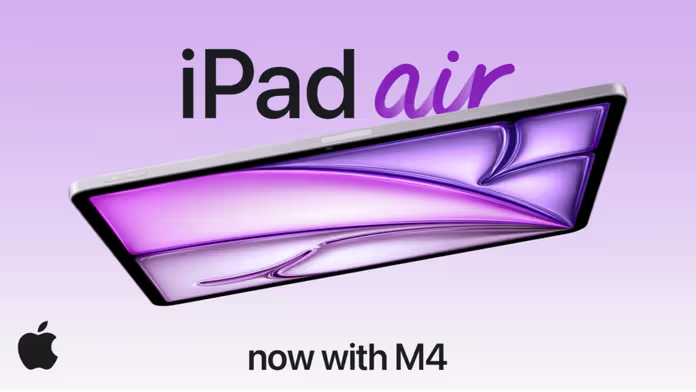
- The apple ipad air now runs on the powerful M4 chip, previously reserved for Pro models.
- Upgraded RAM improves multitasking and future-proofing.
- Available in 11-inch and 13-inch variants in India.
- Performance leap makes the ipad air m4 closer to a laptop replacement than ever.
- Pricing positions it between entry iPad and iPad Pro — strategically aggressive.
I didn’t expect this.
When Apple refreshed the apple ipad air with the M4 chip, it blurred a line that once felt clear. The Air used to sit comfortably between “good enough” and “almost Pro.” Now? It’s uncomfortably close to professional territory.
And this move lands at a fascinating moment. According to IDC’s Worldwide Quarterly Tablet Tracker (2025), tablet demand rebounded globally after two flat years, driven largely by hybrid work and digital learning in markets like India. Apple clearly sees that momentum.
The ipad air m4 isn’t just a spec bump. It’s strategic.
The new apple ipad air in India features Apple’s M4 chip, upgraded RAM configurations, and comes in 11-inch and 13-inch sizes. Pricing starts in the mid-premium segment, positioned below the iPad Pro. The M4 delivers faster CPU, GPU, and AI performance, making it suitable for multitasking, creative work, and productivity tasks.
Now let’s break down why this matters more than it seems.
Design: Familiar Shell, Serious Internals
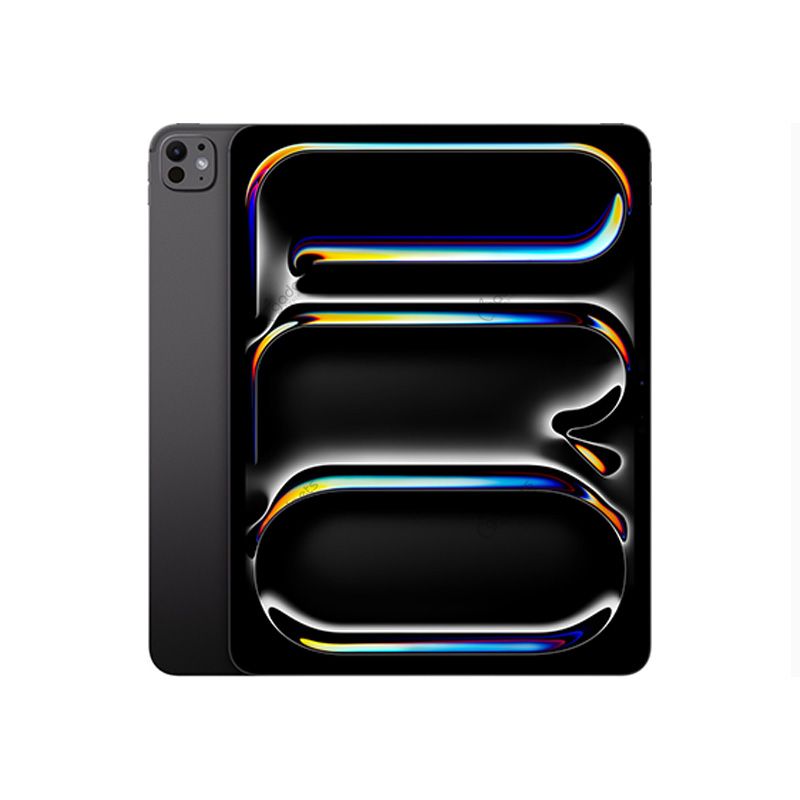
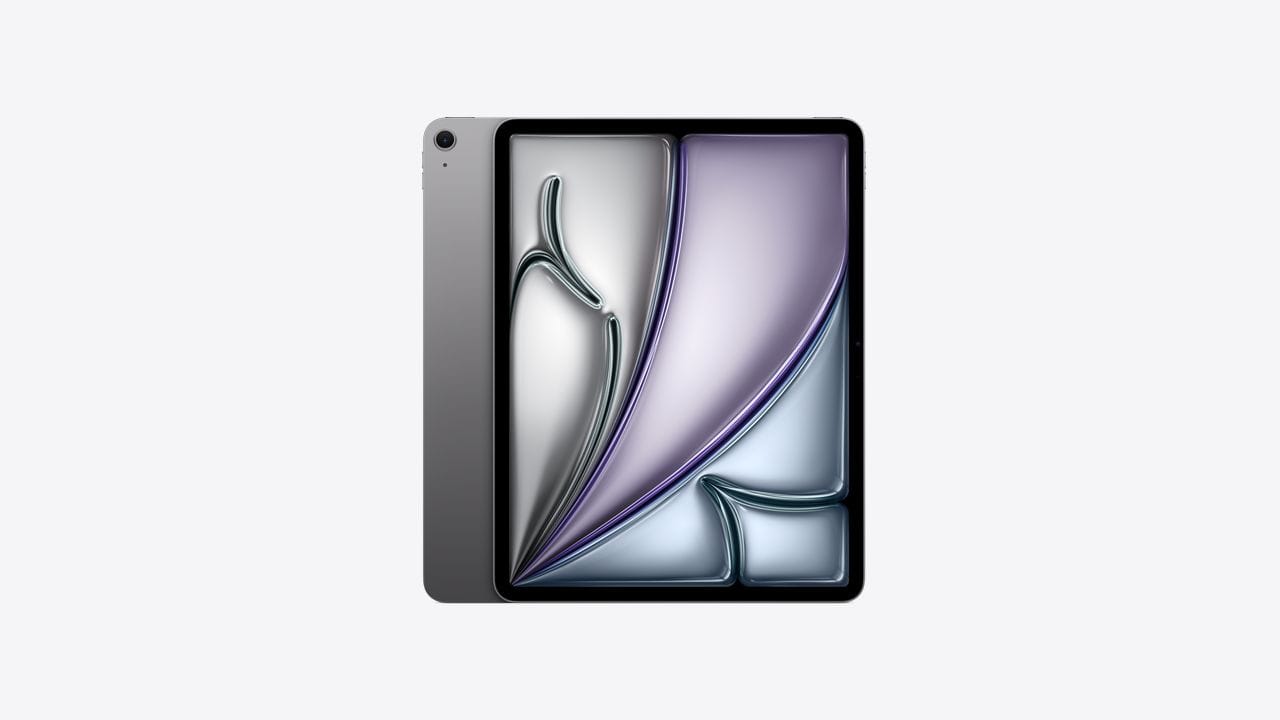
At first glance, the m4 ipad air doesn’t scream overhaul.
Flat edges. Slim chassis. Aluminum unibody. Apple hasn’t reinvented the wheel here — and that’s intentional. The Air’s design language has matured into something clean, utilitarian, and quietly premium.
But here’s the twist: the 13-inch option.
For years, large-screen iPads were Pro-exclusive. Now the Air offers that expansive canvas at a lower price. If you sketch, edit photos, manage spreadsheets, or split-screen apps daily, that extra display space changes how the device feels.
It’s like moving from a cramped desk to a larger workspace. Same job. Less friction.
Weight remains manageable. Portability stays intact. This is still a device you can carry in a backpack without feeling like you packed a laptop brick.
But inside? It’s no longer mid-tier.
Performance: Why the M4 Chip Is a Big Deal
Let’s talk silicon.
The M4 chip was originally introduced in Apple’s high-end lineup. Bringing it to the ipad air m4 is not a minor upgrade. It’s a statement.
The M4 uses an advanced fabrication process with improved efficiency cores and performance cores. Translation? Faster rendering. Smoother multitasking. Better AI workloads.
According to Apple’s official technical briefings (2025 developer documentation), the M4 delivers substantial gains in neural engine processing — critical for on-device AI tasks like image recognition, background removal, and handwriting interpretation.
And yes, you feel it.
Apps launch instantly. Large Procreate canvases handle multiple layers without stutter. Video editing timelines scrub fluidly. Even 4K exports finish faster than previous Air models.
“Apple Silicon continues to redefine performance-per-watt efficiency in consumer devices,” noted AnandTech’s 2025 silicon analysis.
That performance-per-watt phrase matters. It means speed without brutal battery drain.
If you’re upgrading from an A-series iPad Air, the difference feels dramatic. If you’re coming from M1 or M2, the improvement is more incremental — but still noticeable in heavy tasks.
This is no longer a “casual use” tablet.
RAM Upgrade: The Quiet Hero Feature
Specs sheets rarely make headlines for RAM.
They should.
The new apple ipad air increases base RAM, giving users more headroom for multitasking. On iPadOS, that translates to better Stage Manager performance, smoother app switching, and fewer background refresh interruptions.
Why does this matter in 2026?
Because apps are heavier. AI-assisted features demand memory. Even Safari with 20 open tabs can push limits.
With higher RAM, the ipad m4 air handles:
- Split-screen multitasking
- External display workflows
- Creative app stacks (Procreate + reference browser + music)
- Office apps alongside video calls
It feels less like a tablet juggling tasks and more like a laptop calmly executing them.
And that psychological shift is powerful.
Display & Media: Where It Still Differs from Pro
Let’s stay balanced.
The apple ipad air doesn’t get the Pro’s tandem OLED or ultra-high brightness panel. It sticks to a high-quality Liquid Retina display.
Colors are accurate. Brightness is strong for indoor and moderate outdoor use. But it won’t match the contrast depth of Pro models.
For most users, that’s perfectly fine.
If you’re a color-critical video editor working in HDR grading environments, you’ll notice. If you’re streaming Netflix, reading PDFs, or editing photos casually, you won’t.
Speakers deliver solid stereo output. Not theater-level. Not tinny either.
It’s optimized for mainstream creators, not niche professionals.
And that positioning feels deliberate.
Apple iPad Air Pricing in India: Smartly Placed
The apple ipad air with M4 chip enters India priced below the iPad Pro but above the entry-level iPad.
That middle ground is strategic.
Apple understands India’s premium buyers — especially professionals aged 25–45 — increasingly seek performance without overspending on flagship tiers. According to Counterpoint Research’s 2025 India premium device report, buyers in metro markets prioritize longevity and ecosystem value over short-term savings.
The Air delivers:
- Apple Pencil support
- Magic Keyboard compatibility
- USB-C connectivity
- Laptop-level performance
At a noticeably lower price than Pro.
That equation makes sense for freelancers, students in design programs, and remote professionals.
You’re not paying for absolute best-in-class display tech. You’re paying for real power at a more rational cost.
Who Should Buy the iPad Air M4?
Here’s my candid breakdown.
Buy it if:
- You want laptop-level performance in tablet form
- You create digital art, edit photos, or multitask heavily
- You value portability but need real computing muscle
- You’re deep in Apple’s ecosystem
Skip it if:
- You only stream and browse casually
- You require Pro-level display precision
- You’re satisfied with M1/M2 Air performance
The m4 ipad air hits a sweet spot.
And that sweet spot is growing.
The Bigger Shift: Apple Is Redefining “Air”
For years, “Air” meant lighter. Slightly less powerful. A compromise.
Now it means efficient power.
That shift signals something larger. Apple is compressing its product tiers, making mid-range devices increasingly capable. The gap between Air and Pro is narrowing — not closing, but narrowing.
For consumers, that’s good.
For competitors, it’s uncomfortable.
Because when mid-tier devices feel this strong, premium differentiation gets harder.
Final Thoughts: This Is the Rational Power Move
The new apple ipad air doesn’t chase headlines with flashy gimmicks.
It does something smarter.
It makes high-end performance accessible without premium inflation.
For professionals, students, and creators who want power without Pro-level spending, the ipad air m4 feels like the rational choice. And in 2026, rational might be revolutionary.
Are you considering the M4 iPad Air, or are you holding out for a Pro model? I’d love to hear what matters most in your workflow.
FAQ: Real Questions Buyers Ask
1. Is the apple ipad air M4 good for professional work?
Yes, for most creative and productivity tasks including graphic design, video editing, and multitasking. Heavy HDR grading may still favor the Pro.
2. What’s the difference between ipad air m4 and iPad Pro?
The Pro offers advanced OLED display tech and additional high-end features, while the Air delivers similar chip performance at a lower price.
3. Does ipad m4 air support Apple Pencil?
Yes, it supports Apple Pencil and Magic Keyboard accessories.
4. Is the air m4 future-proof?
With M4 silicon and upgraded RAM, it’s positioned for long software support and AI-based updates.
5. Should I upgrade from M1 iPad Air?
Only if you need more performance for creative workflows. Casual users may not see dramatic differences.