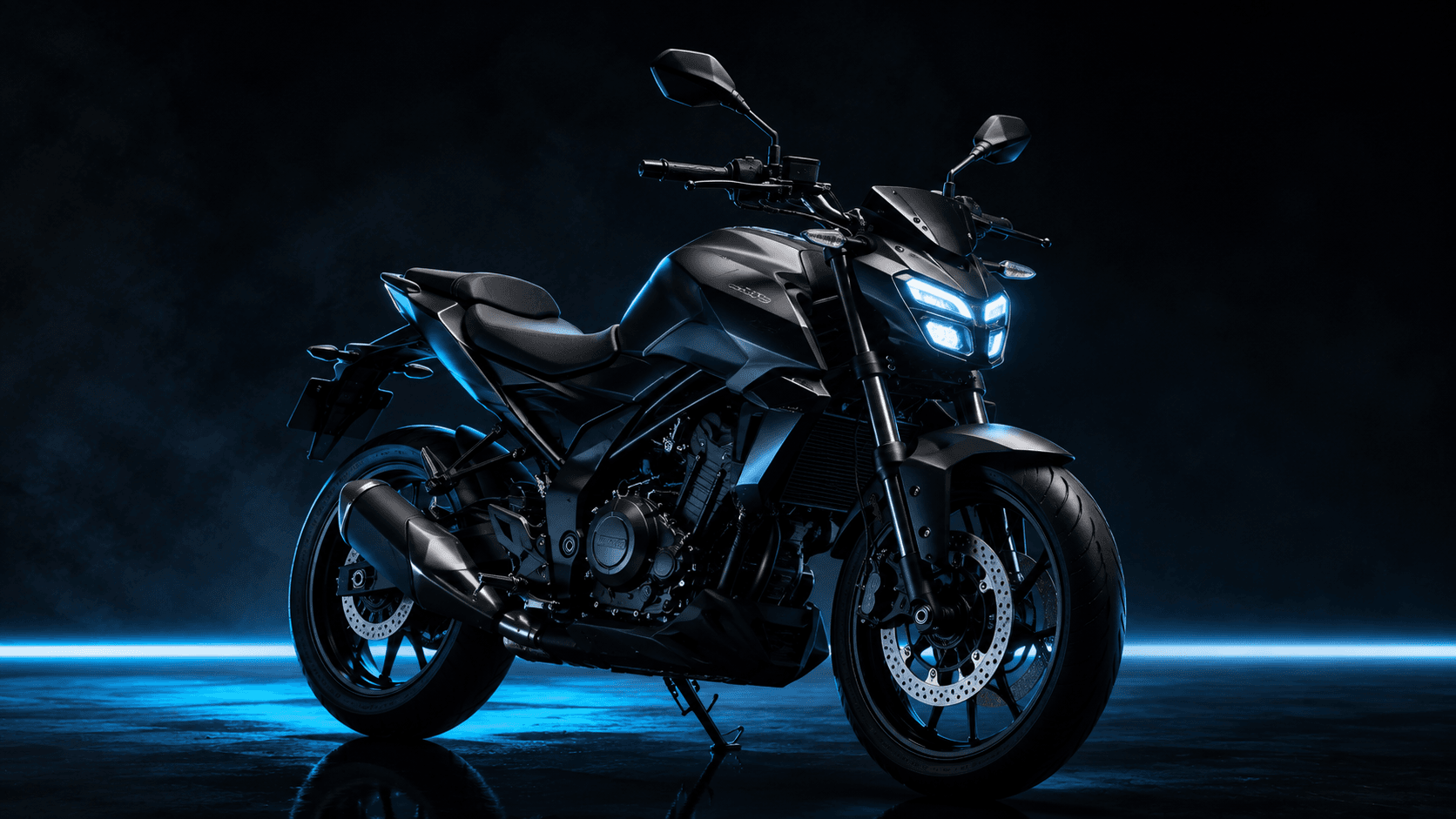
Bajaj Auto has confirmed it will roll out 10 new two-wheelers over roughly the next six weeks, and the headline acts are two all-new Pulsar motorcycles in the 125cc and 150cc segments. Joint Managing Director Rakesh Sharma laid out the plan after the company’s record Q1 FY27 results, describing the coming launches as moves that will “open up new segments.” The timing is deliberate: the bikes are meant to be in showrooms before India’s festive buying wave, and 2026 also happens to be the Pulsar nameplate’s 25th anniversary.
For a brand whose entry-level Pulsars have coasted on a nearly two-decade-old design, this is a big deal. Here is what is coming, why it matters, and how to read Bajaj’s aggressive posture heading into the most important sales quarter of the year.
What Bajaj actually confirmed
The core of the announcement is straightforward. According to Autocar India, which reported Sharma’s comments from the earnings call, he confirmed a wider portfolio refresh totalling 10 new two-wheelers in about six weeks. Within that, two are brand-new Pulsars in the 125cc and 150cc classes, and the next-generation Pulsar 125 has already been spotted testing multiple times. Alongside the motorcycles, Bajaj will add more Chetak electric-scooter variants.
Sharma’s framing is worth quoting for tone: he described the coming releases as “very interesting launches in the next six months” that will “open up new segments.” That “open up new segments” phrasing is the tell. It suggests Bajaj is not merely refreshing existing nameplates but attempting to reach buyers it does not currently capture, whether through new price points, new body styles or new powertrain options across the petrol and Chetak electric lines.
Just as important is the capacity story bolted onto this. Bajaj said it plans to raise manufacturing capacity from around 7.2 million units a year to over 9 million, an increase of more than 25 percent. You do not add a quarter more capacity to service a static portfolio. That number is the clearest signal that Bajaj expects the next 12 to 18 months to be a genuine volume expansion, not just a like-for-like refresh.
The confidence is backed by the quarter it just posted. The results data shows record quarterly sales and revenue, with total vehicle sales hitting 1.44 million units and exports surging 52 percent to the company’s highest-ever quarterly export figure. A manufacturer launches a 10-model blitz and expands capacity from a position of strength, not desperation, and these numbers explain the timing.
The export figure deserves a second look, because it reframes the whole plan. A 52 percent export surge means a meaningful share of Bajaj’s new capacity is not aimed at India at all. Bajaj has long been one of India’s largest two-wheeler exporters, and the capacity expansion likely serves domestic festive demand and a fast-growing export book simultaneously. For buyers in India, that dual purpose is quietly reassuring: capacity built for global markets tends to come with the scale efficiencies that help keep domestic prices in check.
Why the entry Pulsars needed this
The Pulsar family long ago split into three distinct streams: the Classic models (the original Pulsar 125 and 150), the newer N series, and the sportier NS/RS bikes. The N and NS/RS bikes have moved on to modern platforms with monoshock rear suspension and contemporary underpinnings. The Classic 125 and 150, however, still ride on an ageing double-cradle frame with twin rear shock absorbers, and their silhouette traces back to the iconic “Wolf Eye” design that debuted 20 years ago.
That design is so enduring that the Pulsar 150 remains one of India’s best-selling motorcycles, especially in semi-urban markets where the muscular tank and sharp tail still sell on sight. Industry sales trackers consistently place the Pulsar family among the top-selling motorcycle nameplates month after month, which is exactly why the stakes here are high. But “still selling” and “still competitive” are different things. Rivals such as the TVS Apache RTR 160, Honda’s commuter-sport offerings and Yamaha’s FZ range have modernised, and the entry Pulsars have been coasting on brand equity rather than fresh engineering.
The expectation, based on how Bajaj handled the N and NS models, is an evolutionary rather than revolutionary update: a new platform borrowing from the modern N-series, likely a lighter frame, modern essentials such as full-LED lighting, a digital or part-digital display, and Bluetooth connectivity, all while retaining the classic muscular look that defines a Pulsar. Note that platform details and specifications are not yet officially confirmed; these are informed expectations drawn from Bajaj’s recent product pattern and testing sightings.
The pricing question that decides everything
This is where the launch will be won or lost. The entry Pulsars compete in the most price-sensitive performance-commuter space in India, where buyers weigh EMIs against features to the last few hundred rupees. According to reports tracking the models, any price increase over the current versions is expected to be nominal rather than steep, which is the right instinct.
My analysis: the tension baked into these launches is that a new platform, LED lighting and a digital cluster all add cost, but the entry Pulsar’s whole appeal is accessible performance. If Bajaj holds the new Pulsar 125 near the Rs 80,000 to 90,000 ex-showroom band and the 150 within touching distance of the current model, it protects the volume base while modernising it. Price them too high and Bajaj risks pushing loyal buyers toward the very rivals it has been fending off, or toward its own N-series, cannibalising rather than expanding. The nominal-hike promise suggests Bajaj understands this, but execution is everything.
Reading the strategy: offence, not defence
Step back and the 10-launch plan looks less like a product calendar and more like a statement. Bajaj is doing three things at once. It is modernising its oldest, highest-volume motorcycles before they lose relevance. It is expanding capacity by over 25 percent to physically support higher output. And it is timing the whole push to land ahead of the festive season, when Indian two-wheeler demand peaks.
The Chetak variant expansion sits inside this too. Rather than treating electric as a side project, Bajaj is widening the Chetak lineup in the same breath as its core petrol launches, signalling that it wants to compete on both fuel types during the festive run rather than ceding the EV-scooter conversation to Ather, TVS and Ola.
The risk in a blitz this size is dilution: 10 launches in six weeks strains marketing attention, dealer training and supply chains, and if even a couple of the flagship launches slip or underwhelm, the “opening new segments” narrative wobbles. But the upside is a portfolio that enters the festive season looking comprehensively fresh at exactly the moment buyers are deciding. For a company posting record numbers, betting big before the peak is the logical move.
The bottom line
Two all-new Pulsars in the 125cc and 150cc segments, wrapped inside a 10-model launch wave and a 25-percent capacity expansion, add up to Bajaj’s most aggressive festive-season setup in years. The entry Pulsars have needed this modernisation for a long time, and the 25th anniversary gives it a natural stage. The one variable that will determine whether this is a genuine expansion or an expensive refresh is price. Get that right, and Bajaj walks into the festive season with its most complete lineup in a decade.
FAQs
How many new Bajaj two-wheelers are launching?
Bajaj Auto has confirmed 10 new two-wheelers over roughly the next six weeks. This includes two all-new Pulsar motorcycles in the 125cc and 150cc segments, plus additional Chetak electric-scooter variants, as part of a wider portfolio refresh.
When will the new Bajaj Pulsar 125 and 150 launch?
Bajaj is targeting a launch before the 2026 festive season, which typically peaks around the Diwali period in autumn. The next-generation Pulsar 125 has already been spotted testing multiple times, indicating the launch is close.
Will the new Pulsars be more expensive?
Bajaj has indicated any price increase over current models should be nominal rather than steep. Exact pricing has not been announced. Expectations point to the new Pulsar 125 staying in the region of Rs 80,000 to 90,000 ex-showroom, though this is not officially confirmed.
What is new about the next-gen Pulsar 125 and 150?
Official specifications are not yet confirmed. Based on Bajaj’s recent products and testing sightings, the bikes are expected to move to a newer platform borrowed from the N-series, with a lighter frame, full-LED lighting, a modern display and Bluetooth connectivity, while keeping the classic Pulsar look.
Why is Bajaj expanding manufacturing capacity?
Bajaj said it plans to raise annual capacity from around 7.2 million units to over 9 million, a rise of more than 25 percent. The expansion supports the 10-model launch wave and follows a record Q1 FY27 in which total sales hit 1.44 million units and exports rose 52 percent.