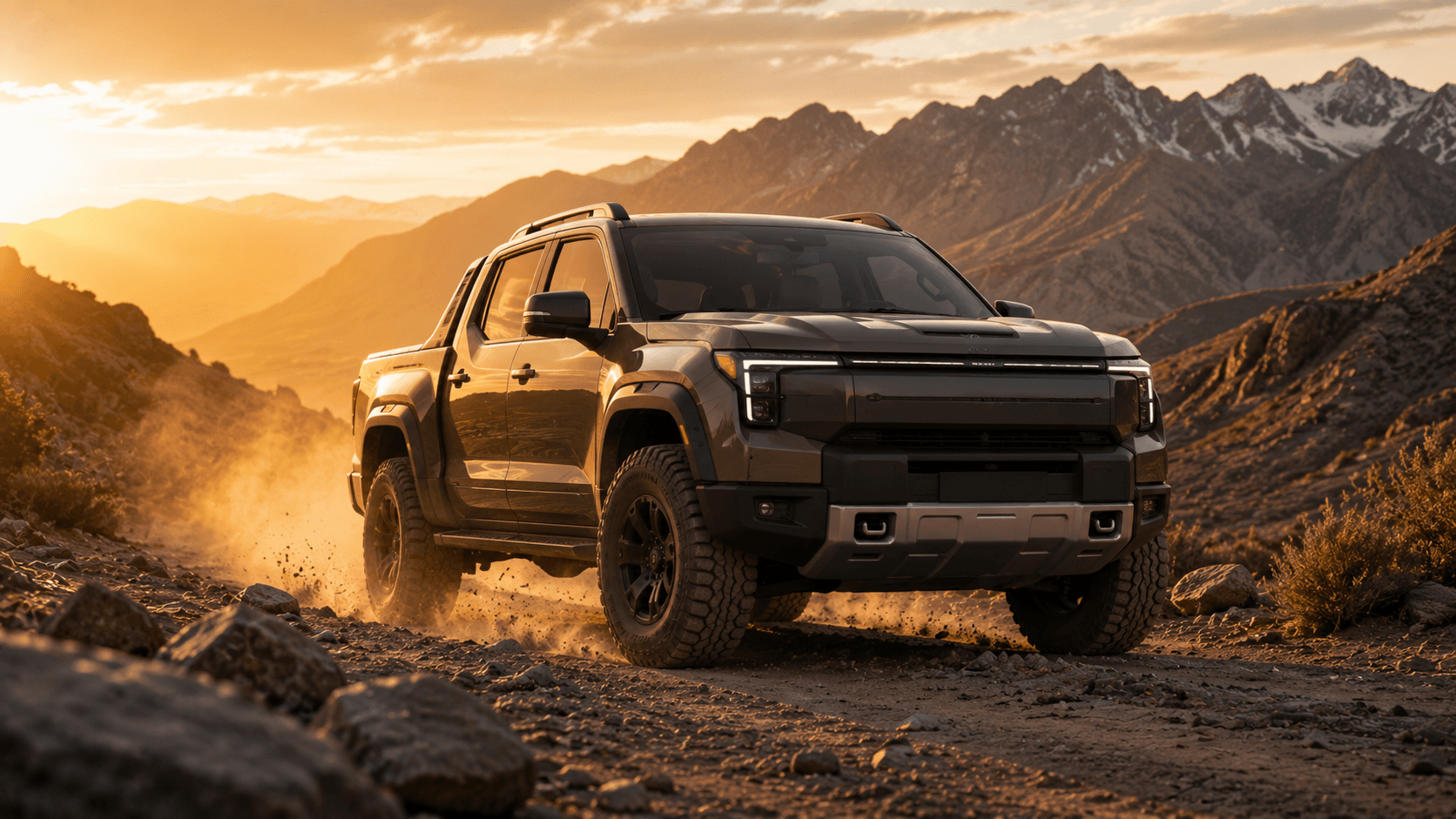
Toyota has confirmed that the ninth-generation Hilux will launch in India on July 28, 2026, and it arrives with a clear ambition: to shed its image as an expensive, sparsely-featured niche pickup and reposition itself as a premium lifestyle adventure vehicle that urban buyers might cross-shop against SUVs. The redesign, the upgraded cabin, and the added driver-assistance tech all serve that goal. The real question isn’t whether the new Hilux is better than the old one — it clearly is — but whether that repositioning can actually expand the pickup beyond its genuinely small niche in the Indian market. The honest answer is: only for a very specific buyer.
What’s Confirmed and What’s Expected
Toyota has officially confirmed the July 28, 2026 launch date, and the ninth-generation Hilux — which made its global debut in November 2025 — has been spotted testing in Delhi, consistent with an imminent India arrival. Beyond the date, most India-specific details remain expectations rather than confirmations until launch, so it’s worth being precise about that line.
Built on Toyota’s “Tough and Agile” design philosophy, the new Hilux gets a sharper, more modern, and more aggressive look while retaining its rugged identity: slimmer LED headlamps connected by a black panel with Toyota lettering, a larger honeycomb grille, a redesigned bumper, thick body cladding, silver skid plates, and a more upright, squared-off stance. The cabin is expected to move considerably more upmarket, with a 12.3-inch touchscreen (wireless Android Auto and Apple CarPlay), a 12.3-inch digital driver’s display, a 9-speaker JBL audio system, a wireless charger, USB-C fast charging, dual-zone climate control, a cooled glovebox, and an electronic parking brake replacing the old manual lever. A sunroof isn’t expected, as the global-spec model doesn’t offer one.
Under the bonnet, the India model is expected to use the familiar 2.8-litre diesel engine (shared with the Fortuner), now paired with 48V mild-hybrid technology for a modest efficiency and refinement improvement, with manual and automatic transmissions. While the Hilux offers higher electrification and even an EV variant in some global markets, India is expected to get the diesel-focused version first. On safety, the big addition is a Level-2 ADAS suite (with features like intelligent adaptive cruise control and lane tracing assist), joining the existing seven airbags, vehicle stability control, hill assist, parking sensors, and ISOFIX mounts.
The Repositioning Is Really About Fixing the Old Car’s Weaknesses
The outgoing Hilux had a specific problem in India: it carried a legendary global reputation for durability, reliability, and resale value, but the India-spec model felt expensive for what it offered, with a dated cabin and a limited feature list relative to similarly-priced SUVs. Buyers loved what the Hilux was but struggled to justify the price against its sparse equipment.
The new generation is fundamentally an exercise in fixing that value equation. The premium cabin, the larger screens, and — most importantly — the Level-2 ADAS suite are all about closing the feature gap that made the old model feel overpriced. Toyota isn’t just restyling the Hilux; it’s trying to make it feel like it belongs in the ₹30-40 lakh bracket it occupies, rather than a utilitarian pickup wearing a premium price tag. That’s a sensible and necessary correction.
Can the Lifestyle-Pickup Segment Actually Grow in India?
Here’s where realism has to enter. The lifestyle-pickup segment in India is genuinely tiny — a niche within a niche. The Hilux’s only real direct rival is the Isuzu D-Max V-Cross, and the entire category sells a fraction of what the popular three-row SUV segment moves. Toyota’s ambition to reframe the Hilux as an urban lifestyle vehicle that SUV buyers might consider is strategically logical, but it runs into a hard structural reality: most Indian buyers who want a rugged, spacious, image-forward vehicle in this price range buy a body-on-frame SUV like the Fortuner instead, which offers similar toughness with more usable passenger space and no open cargo bed to compromise daily practicality.
A pickup’s open bed is the defining feature that makes it a pickup — and for the vast majority of urban Indian buyers, that bed is a practicality penalty, not a benefit. It exposes cargo to weather and theft, complicates parking, and offers less secure, weatherproof storage than an SUV’s enclosed boot. So while the new Hilux is a far more compelling product than before, the ceiling on the segment is set less by product quality and more by how many Indian buyers genuinely want a pickup body style at all. The redesign will likely help the Hilux win a larger share of that small pie — but the pie itself isn’t about to become large.
Who Should Actually Buy One?
For prospective buyers, the practical guidance is honest and specific. The new Hilux makes sense for a narrow buyer profile: someone who has a genuine need for a pickup’s utility (a load bed for equipment, gear, or work), or who specifically wants the distinctive lifestyle image and go-anywhere capability a pickup projects, and who values the Hilux’s legendary durability and resale strength. For that buyer, the ninth-generation model — finally with a premium cabin and modern safety tech — is a much stronger proposition than its predecessor.
But for the far larger group of buyers simply looking for a tough, premium, spacious family vehicle in the ₹30-40 lakh range, a body-on-frame SUV like Toyota’s own Fortuner — which shares much of the Hilux’s mechanical DNA — will be the more practical and more comfortable choice. It offers the same rugged underpinnings with three rows of usable seating and enclosed, secure luggage space. Cross-shopping the two honestly comes down to a single question: do you actually need or want the open bed? If yes, the Hilux; if not, an SUV almost certainly serves you better.
The Bottom Line
The 2026 Toyota Hilux is a genuinely improved product that corrects the outgoing model’s biggest weaknesses — a dated cabin and a thin feature list — with a premium interior, modern tech, and a Level-2 ADAS suite, wrapped in a sharper design and backed by the Hilux’s unmatched durability reputation. Toyota’s repositioning toward a lifestyle-adventure image is smart, and it will likely help the Hilux capture more of its niche. But the niche itself remains structurally small, because most Indian buyers in this price bracket want an SUV’s enclosed practicality, not a pickup’s open bed. The new Hilux is the best version yet of a vehicle for a specific buyer — just don’t expect it to become mainstream.
Why the Hilux’s Reputation Is Its Real Asset
According to industry observers, the Hilux’s single greatest strength in India isn’t any individual feature — it’s the nameplate’s globally-earned reputation for near-indestructible reliability and strong resale value. Data shows that resale value ranks among the most important factors for buyers in the premium vehicle segment, and the Hilux has historically excelled here precisely because its durability is legendary rather than merely marketed. For the specific buyer who genuinely wants a pickup, that reputation is a powerful reason to choose a Hilux over a less-established rival, and it partly offsets the price premium the new model will command. The redesign and feature upgrades matter, but they’re arguably layered on top of the Hilux’s true competitive moat, which is trust built over decades of proven toughness.
What the Mild-Hybrid Diesel Actually Delivers
Experts caution against over-reading the “hybrid” label on the new Hilux’s expected powertrain. Research shows that 48V mild-hybrid systems, unlike full or strong hybrids, provide only a modest efficiency and refinement benefit — the electric motor assists the engine and smooths stop-start operation rather than driving the wheels independently for meaningful electric-only running. For buyers, this means the mild-hybrid diesel should deliver a small improvement in fuel economy and smoothness over a conventional diesel, but it won’t transform running costs or offer the electric-driving experience a full hybrid or EV would. It’s a sensible, incremental upgrade suited to the Hilux’s rugged, high-durability character rather than a radical efficiency leap, and buyers should calibrate their expectations accordingly rather than assuming “hybrid” implies dramatic fuel savings.
FAQs
When is the 2026 Toyota Hilux launching in India?
Toyota has confirmed the ninth-generation Hilux will launch in India on July 28, 2026.
How much will the 2026 Toyota Hilux cost?
Toyota will announce variant-wise pricing at launch. The new model is expected to be priced around ₹30-38 lakh (ex-showroom), higher than the outgoing model’s ₹28.52-36 lakh range, reflecting its upgrades.
What engine will the new Hilux use in India?
It’s expected to use the 2.8-litre diesel engine (shared with the Fortuner), now paired with 48V mild-hybrid technology, with manual and automatic transmission options. India is expected to get the diesel version first.
Does the 2026 Toyota Hilux get ADAS?
Yes, the new Hilux is expected to add a Level-2 ADAS suite, including features like intelligent adaptive cruise control and lane tracing assist, alongside seven airbags and other existing safety features.
What does the 2026 Toyota Hilux compete against?
Its main direct rival is the Isuzu D-Max V-Cross in the lifestyle-pickup segment. Some buyers may cross-shop it against premium body-on-frame SUVs like the Toyota Fortuner.
Should I buy the Hilux or an SUV like the Fortuner?
The Hilux makes sense if you genuinely need a pickup’s load bed or specifically want its lifestyle image and capability. For most buyers wanting a premium, spacious family vehicle, an SUV like the Fortuner — which shares the Hilux’s underpinnings — offers more usable space and enclosed storage.